
Why Large Commercial Trucks Fail on the Road and What Usually Leads to It
Heavy trucks break down for a few main reasons. Most problems link back to poor maintenance, worn parts, or ignored warning signs. Engines overheat, brakes wear out, batteries fail, and tires blow. When small issues are not fixed early, they turn into major roadside breakdowns. Knowing the common causes helps fleet owners and drivers avoid lost time, missed loads, and costly heavy duty truck repair bills.
Quick Diagnosis Summary
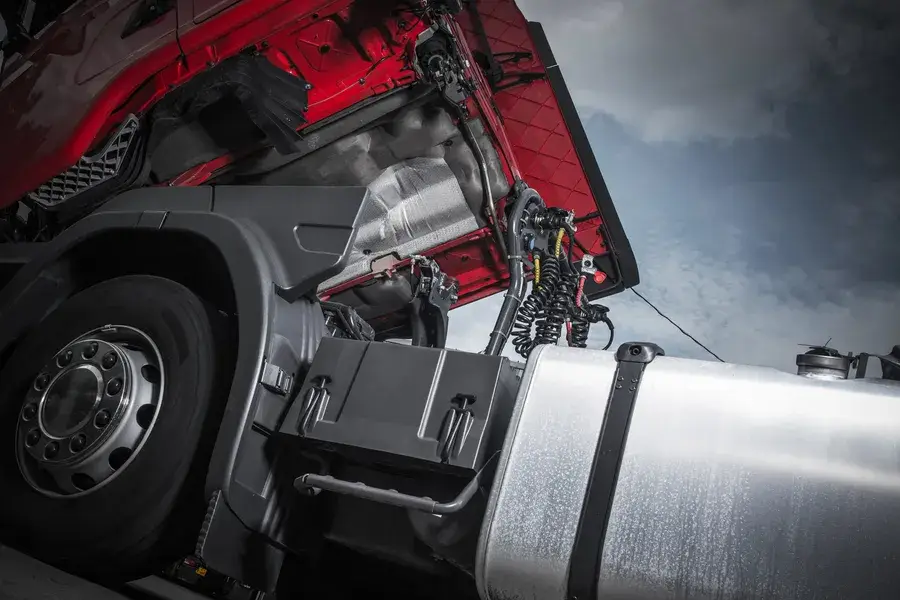
Breakdowns usually follow a pattern. A part wears down. The truck shows small signs of trouble. The warning is ignored. Then the truck stops running. Many failures are preventable with regular inspections and basic service checks.
Most roadside service calls involve:
- Dead or weak batteries
- Brake system failures
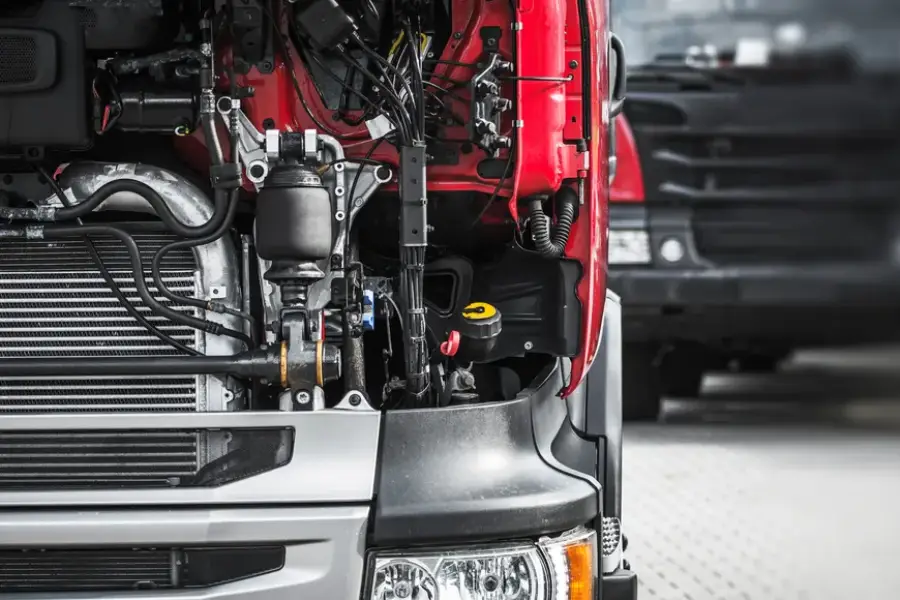
- Cooling system problems
- Electrical issues
- Tire blowouts
Common Symptoms Before a Breakdown
Trucks rarely stop working without warning. They often show signs first. Drivers who pay attention can catch issues early.
- The engine temperature gauge runs high
- Brakes feel soft or make grinding sounds
- The truck pulls to one side
- The battery struggles during startup
- Warning lights stay on
- Fluid spots appear under the truck
When these symptoms show up, scheduling heavy duty truck repair right away can stop a full shutdown on the highway.
Likely Causes Behind Major Truck Failures
There are several root causes behind most heavy truck breakdowns.
Cooling system failure: Radiators, hoses, and water pumps wear out over time. If coolant leaks or airflow gets blocked, the engine overheats. An overheating engine can shut down completely and lead to severe engine damage.
Brake wear and air system leaks: Heavy trucks rely on air brakes. If air lines crack or compressors fail, braking power drops. Worn brake pads and drums also reduce stopping ability.
Battery and electrical problems: Corroded terminals, weak alternators, or damaged wiring can leave a truck unable to start. Electrical faults can also affect lights, sensors, and control modules.
Tire neglect: Low tire pressure or uneven wear increases the risk of blowouts. Heavy loads add more stress, especially in hot weather.
Poor maintenance habits: Skipped oil changes, ignored inspections, and delayed part replacement are leading reasons fleets need emergency heavy duty truck repair.
What to Check First When Trouble Starts
If a driver notices a problem, a basic inspection can help identify the source.
- Check dashboard warning lights.
- Inspect fluid levels including oil and coolant.
- Look under the truck for visible leaks.
- Listen for unusual sounds from the engine or brakes.
- Check tire pressure and visible tire damage.
These steps do not replace professional service, but they can help drivers explain symptoms clearly when calling for help.
Safe Fixes Vs Professional Repairs
Some minor issues can be handled safely by trained drivers or maintenance staff. For example, replacing a blown fuse, tightening a loose battery cable, or adding coolant may solve small problems.
However, engine faults, transmission slipping, brake air leaks, and electrical system failures require professional heavy duty truck repair. Modern trucks use advanced computer systems. Proper tools and diagnostic equipment are needed to fix them correctly.
Attempting complex repairs without training can cause more damage and higher costs later.
How to Prevent Future Breakdowns
Prevention saves money and reduces downtime. A strong maintenance plan keeps trucks on the road longer.
- Follow a routine oil and filter change schedule
- Inspect brakes at regular intervals
- Test batteries before extreme weather seasons
- Rotate and balance tires
- Perform detailed pre-trip and post-trip inspections
- Fix small issues before they grow
Keeping detailed service records also helps track patterns. If one part fails often, it may point to a deeper issue.
When to Call for Expert Help
If a truck stalls, overheats repeatedly, loses braking power, or shows persistent warning lights, it is time for professional service. Waiting too long can turn a minor repair into a major engine rebuild.
At All Major Axle Repair and Replacement, we help fleets and owner-operators across Rawlins, WY reduce downtime and avoid repeat breakdowns. Our technicians handle everything from diagnostics to full heavy duty truck repair so problems are fixed the right way the first time. Call us at (307) 710-2639 to schedule service or get fast roadside assistance when your truck needs attention.